


Navigating Different Parenting Styles Without Conflict


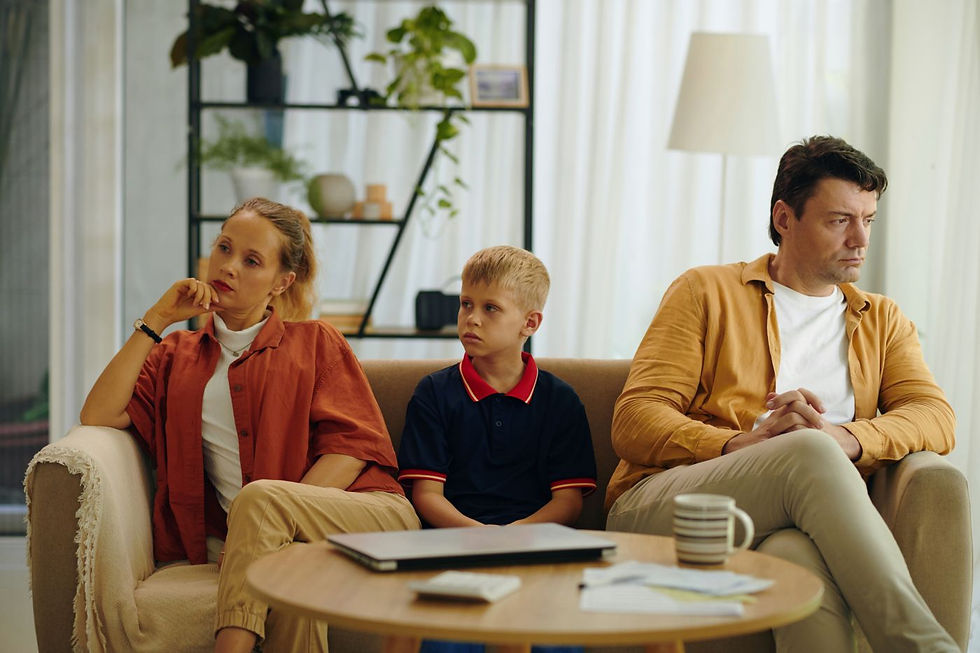
Let's say you’ve just spent 20 minutes gently guiding your child through a challenging moment, using play among the other helpful parenting techniques you’ve carefully researched and practiced. Just when you start to see your child calm down, your spouse walks in and says, “Enough. Go to your room.” In an instant, all that progress falls apart. Your child starts crying again. You feel your body tense up. It feels like your efforts have been dismissed, disrespected, and discouraged.
Let’s take a moment to reflect on this situation together. It goes beyond only parenting; it touches on trust, family dynamics, values, and love. When different parenting styles collide, the impact doesn’t stay only within the realm of parenting; it changes the atmosphere of your home, affects the dynamics of your relationship, and influences the self-talk you might engage in after the kids are asleep.
If you’re reading this, you might be carrying both resentment and a sense of responsibility in your invisible backpack. You’re not wrong for feeling this way, and you’re definitely not alone. Parenting, whether you've been doing so for countless years now or you're navigating co-parenting for the first time, is quite a tough road to travel on and especially so when disagreements arise.
As parents, our main job is to protect our kids' well-being while dealing with our own differences. This means you will have to discover a few new ways to strike a balance when parenting styles don't match. You might also be raising kids in different households, which can be complicated.
While parents usually agree on wanting their kids to grow up happy and healthy, the methods they choose to achieve that can lead to disagreements. What one parent sees as crucial in parenting, such as enforcing rules firmly or allowing kids to be creative, that's not technically viewed in the same way by the other parent. Even though having different parenting styles isn't inherently bad, constant conflict and serious arguments over these differences can complicate parenting situations.
So, if you relate to all of this in your parenting or co-parenting situation, how can you make it work, even when your parenting styles clash?
Challenges of Different Parenting Styles and Values
Communication Issues: When parents don't clearly express their parenting preferences and expectations, it can lead to miscommunication and misunderstanding.
Conflict and Strain: When parents have different parenting styles, values, and approaches to discipline, education, and child-rearing aspects, it can result in conflicts and power struggles, creating tension in the family.
Confusion for Kids: Mixed messages from parents can confuse children and weaken their sense of security and stability.
The Importance of Good Communication
Strong communication is key to effective parenting. It's essential to build a space where both parents feel valued and understood.
Here are some tips for improving communication:
Listen Actively: Make sure to really hear the other parent’s perspective. Acknowledge their emotions and worries, even if you don’t fully agree with them.
Stay Composed: When disagreements happen, it’s easy to let feelings take control. Use self-control methods like deep breathing or stepping away for a moment before you respond.
Use "I" Statements: Rather than pointing fingers, share your feelings with "I" statements. For example, say, "I feel stressed when plans change unexpectedly," instead of, "You always change the plans."
Keep in mind, the aim isn’t to win a fight. It's to encourage healthy communication that focuses on your child’s best interests.
Establishing Boundaries and Handling Triggers
Setting boundaries is essential in parenting or co-parenting, as it promotes respect and understanding between both parties. Figure out what behaviours are acceptable and which ones are not in your parenting setup. It's important to have open discussions about these boundaries and revisit them regularly.
Recognizing your triggers is equally important. Everyone has emotional triggers that can lead to conflicts. Make sure to take some time to pinpoint your triggers and share them with your spouse or co-parent. For example, if financial conversations tend to upset you, let your spouse or co-parent know, so they can approach the topic with more care.
Ways to Handle Different Parenting Styles and Values
Open Communication: Encourage honest and open dialogue between parents regarding their parenting styles and values. Share your beliefs, preferences, and concerns candidly, and aim to discover common ground and areas where you can compromise.
Respect Differences: Acknowledge and respect each other’s parenting styles and values, even if you don’t always see eye to eye. Understand that a variety of parenting approaches can enhance children’s experiences and viewpoints.
Focus on Shared Goals: Pinpoint shared objectives and priorities for your children’s upbringing, like their health, education, and emotional well-being. Use these common goals as a basis for working together in parenting.
Set Consistent Boundaries: Create consistent rules and boundaries for your children, no matter your differing parenting styles. Consistency gives children a sense of security and predictability, no matter which parent they are with.
Compromise and Flexibility: Be open to compromise and flexible in your parenting approach. Look for creative solutions that blend both parents’ styles while honoring each other’s values and beliefs.
Seek Professional Guidance: If disagreements continue or if you’re having trouble finding common ground, think about getting help. At Bright Star, we offer couples and family therapy which can assist in facilitating communication, uncovering underlying issues, and crafting strategies to resolve conflicts.
Lead by Example: Show respect, empathy, and cooperation in your interactions with your co-parent, even during disagreements. Keep in mind that your children are observing and learning from your actions.
Focus on the Children’s Needs: Always prioritize your children’s best interests in your decision-making. Put their well-being above your own differences and conflicts.
Keep in Mind That Kids are Adaptable
Kids often deal with different rules based on their surroundings and activities. They run into various guidelines at school, at their friends' homes, during sports practice, and so on.
A lot of the time, children manage to adjust well to the different rules they encounter in various parts of their lives. They can usually do the same when it comes to the different parenting styles and rules they experience at home.
Support your child in navigating these differences by recognizing their other parent's rules in a straightforward, non-judgmental way. Stay consistent with what you expect from your child at home, even if they mention they like how their other parent does things "better".
Having a routine that your child can rely on at your place is way more important than always trying to be the 'fun parent,' since consistency and stability are what really help kids flourish.
If You Keep Clashing, Give Parallel Parenting A Try
When it seems like working together as parents is just not happening and you're always at odds, you and your spouse or co-parent might want to take a step back from each other.
Parallel parenting is an arrangement where parents and co-parents reduce their direct interactions yet remain actively involved in their kids' lives. This type of arrangement can create some breathing room to let tensions cool down, and you might discover it’s easier to reunite and collaborate as parents and co-parents down the line.
Focus On What Really Matters: Your Child's Well-being
Your parenting approach might not completely match the other parent's, however that doesn't mean your child can't flourish. Strive to create a balance in your parenting styles and aim to agree on the key aspects, like making sure your child is happy, healthy, and well-supported by their loved ones.
Remember, your child is adaptable enough to handle different rules and parenting styles. If you often find yourselves at odds, consider discussing with professionals on how to step back from each other while keeping your attention on raising your child.
The Significance of Therapy in Parenting
Sometimes, conflicts can feel like too much to handle, and getting professional help can offer the support you need. Therapy creates a nurturing space for both parents to share their feelings and work through disagreements.
Consider trying family therapy or couples therapy. A skilled therapist can guide you through resolving conflicts and assist you in developing effective coping strategies and ways to communicate.
If conflicts are too high within the family or distance has formed between you and your child, support is available in those regards as well. At the core of our reunification counselling program at Bright Star Counselling is a caring and supportive environment where children, youth, and their families can work on rebuilding and enhancing healthy parent-child bonds, especially after a separation or divorce. We tailor our sessions to best suit the unique needs of each family.


Comments